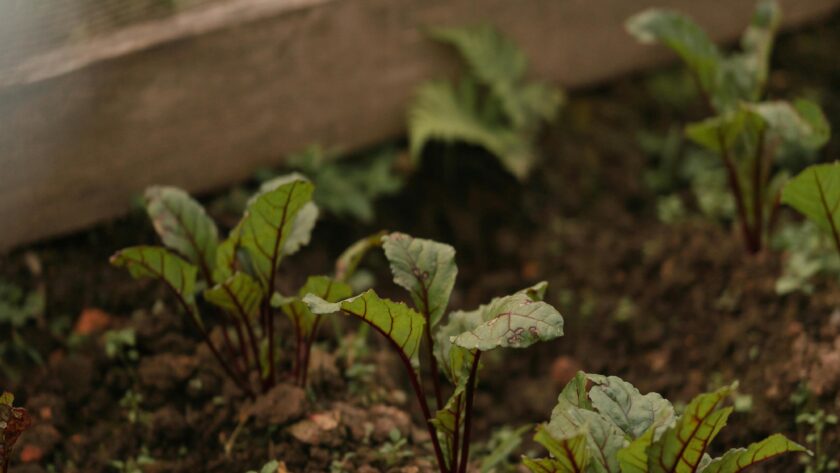

Gardening enthusiasts and home cooks alike understand the importance of freshness when it comes to vegetables. Growing your own seasonal vegetables not only ensures quality and flavor but also provides a sense of accomplishment. In this comprehensive guide, we will explore the best times to plant various seasonal vegetables, ensuring that you get the most from your garden.
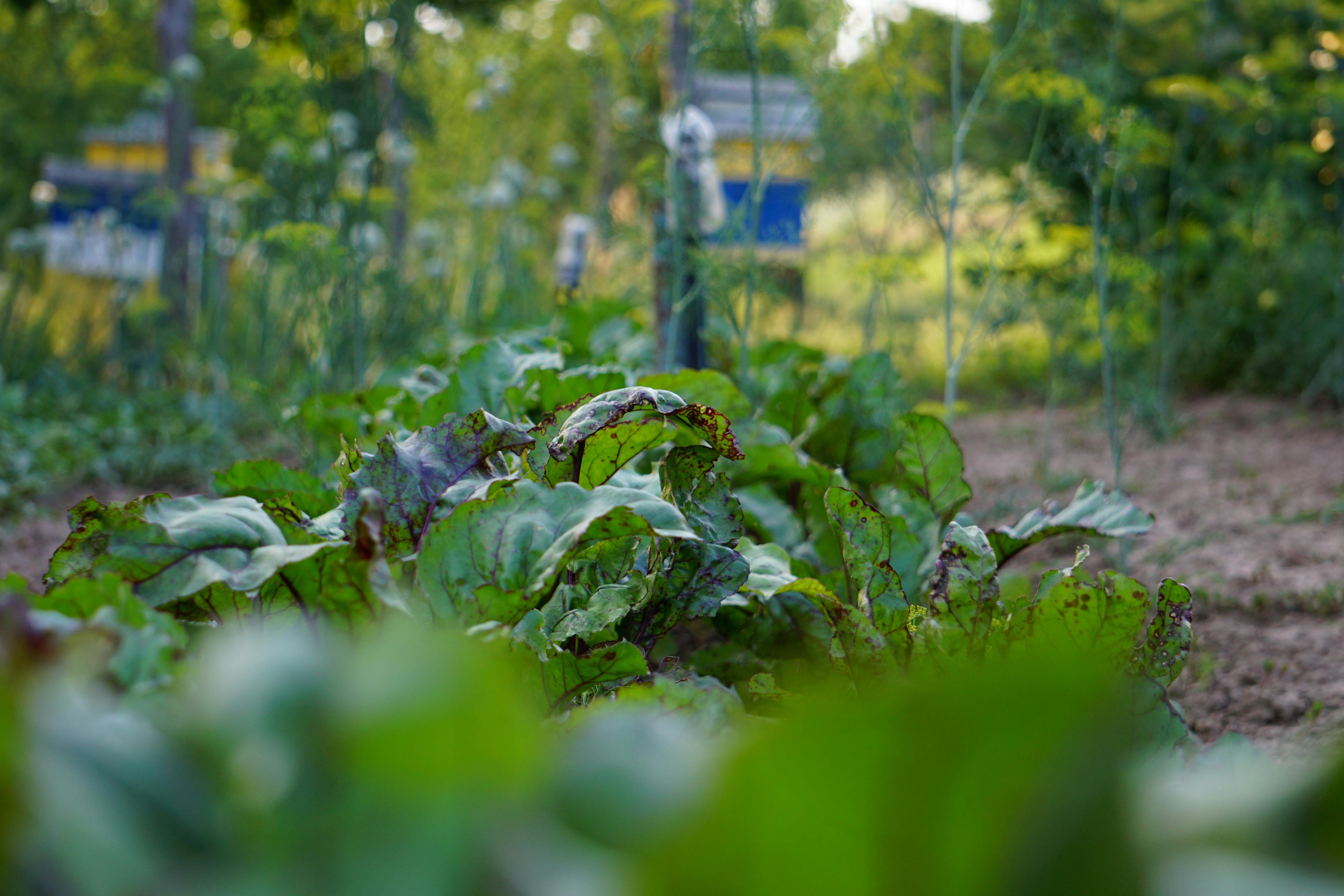
Understanding the seasons is crucial for successful gardening. Each vegetable has its own optimal planting time which depends on the climate of your area. Here’s a breakdown of when to plant some popular seasonal vegetables:
Spring Vegetables
Spring is the season of renewal, and it’s the perfect time to start planting cool-season crops. You can sow seeds for peas, lettuce, spinach, and radishes as soon as the soil is workable. Typically, this is around 4-6 weeks before the last frost date in your area. Be sure to check your local frost dates to get the timing just right.
Summer Vegetables
As the temperatures rise, you can transition to planting warm-season vegetables. Crops like tomatoes, peppers, zucchini, and corn should be planted after the last frost date. Generally, aim to plant these crops in late spring to early summer. They thrive in warm soil and will flourish when the sun is shining bright.
Fall Vegetables
Once summer fades and the nights get cooler, it’s time to think about fall planting. Certain vegetables, such as kale, Brussels sprouts, and carrots, can be sown in late summer or early fall, depending on your growing zone. These vegetables often taste sweeter after a light frost, making them perfect for late-season harvesting.
Winter Vegetables
Although many gardeners take a break during the winter months, there are still options for growing vegetables. Winter gardening often involves planting hardy crops such as garlic, shallots, and some varieties of onions in the fall, allowing them to establish roots before the ground freezes. Additionally, consider using cold frames or greenhouses for extending your growing season.
Conclusion
By understanding the optimal planting times for seasonal vegetables, you can maximize your garden’s productivity and enjoy fresh produce year-round. Remember to keep an eye on your local climate and frost dates to ensure the best results. Happy gardening!



I didn’t know you could plant garlic in the winter. So excited to try it!
Thanks for the fall planting tips! I can’t wait to try growing kale.
Great post! Any recommendations for pest control while gardening?
This has inspired me to start my vegetable garden this year. Thanks for sharing!
This guide is really helpful! I learned exactly when to plant my tomatoes.